Crafting with Yarn: The Ultimate intro to Crochet Art.
Introduction
Crochet is one of the most beautiful and rewarding forms of handmade art that allows people to transform simple strands of yarn into creative and functional items. Whether it is a warm blanket, a fashionable scarf, a decorative table runner, a stylish handbag, or a cute stuffed toy, every crochet project is made by carefully looping yarn together using a single crochet hook. Unlike machine-made products, crochet items are handcrafted with patience, skill, and creativity, making each piece unique. Over the years, crochet has become more than just a hobby—it has evolved into a popular art form, a relaxing activity, and even a successful business opportunity for many creative individuals.
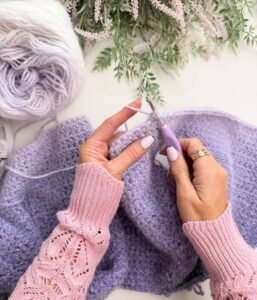
In today’s fast-paced digital world, many people are looking for hobbies that help them relax while allowing them to express their creativity. Crochet perfectly meets both of these needs. It provides a peaceful escape from daily stress while giving crafters the satisfaction of creating something useful and beautiful with their own hands. The popularity of crochet has grown rapidly through social media platforms, online tutorials, and handmade marketplaces, where artisans proudly showcase and sell their unique creations. People of all ages, from children to senior citizens, enjoy crochet because it is easy to learn, affordable to start, and offers endless possibilities for creativity.
Crochet is also considered a sustainable craft because it encourages people to create durable handmade products instead of purchasing mass-produced items. Many crocheters use eco-friendly yarns, recycle leftover materials, and create reusable household products such as shopping bags, dishcloths, and storage baskets, helping to reduce waste. Whether someone wants to learn a relaxing hobby, decorate their home with handmade items, create personalized gifts, or start a small business, crochet offers countless opportunities to turn imagination into reality.
What Is Crochet?
Crochet is a textile crafting technique that involves creating fabric by interlocking loops of yarn using a single crochet hook. Unlike knitting, which uses two needles to hold multiple active stitches, crochet uses only one hook to complete one stitch at a time. This simple difference gives crochet its unique texture, flexibility, and versatility. The word “crochet” comes from the French word meaning “small hook,” which perfectly describes the primary tool used in this craft.
The basic process of crochet begins with creating a chain of loops, known as the foundation chain. From this foundation, different stitches are formed by inserting the hook into existing loops, pulling yarn through, and creating new stitches. By combining simple stitches such as the chain stitch, single crochet, half double crochet, double crochet, and treble crochet, crafters can produce an endless variety of patterns and textures. Even beginners can quickly learn these basic stitches and gradually move on to more complex designs as their confidence grows.
One of the greatest advantages of crochet is its incredible versatility. It can be used to create clothing such as sweaters, cardigans, hats, gloves, scarves, and baby outfits. It is also widely used for home décor items like blankets, cushions, rugs, curtains, wall hangings, table runners, plant holders, and storage baskets. Decorative accessories such as handbags, keychains, earrings, flowers, and jewelry can also be made using crochet techniques. A popular modern trend in crochet is amigurumi, the Japanese art of crocheting small stuffed animals, dolls, and cartoon characters, which has gained worldwide popularity among craft enthusiasts.
Crochet patterns can be simple or highly detailed depending on the skill level of the maker. With just one hook and a few balls of yarn, an individual can create unique handmade pieces that reflect personal style and creativity. This flexibility has made crochet one of the most loved textile arts around the world.
History of Crochet
The exact origin of crochet remains uncertain, but historians believe that it developed during the early nineteenth century in Europe. Some experts suggest that crochet evolved from older needlework techniques such as tambour embroidery, where a hook was used to pull thread through fabric to create decorative chain stitches. Over time, crafters discovered that the same hooked tool could be used to create entire pieces of fabric without needing a woven base, giving birth to the crochet techniques we know today.

Crochet became especially popular during the Victorian era in England and Ireland. During this period, handmade lace was highly valued but often too expensive for ordinary families. Crochet offered a more affordable alternative while producing similarly elegant decorative items. Irish crochet lace became famous during the Great Irish Famine in the 1840s. Many families earned income by creating intricate lace designs, which were sold throughout Europe and North America. This helped support communities during difficult economic times and established crochet as both an artistic skill and a valuable source of employment.
As international trade expanded, crochet spread across Europe, America, Asia, and other parts of the world. Each culture introduced its own traditional patterns, colors, and techniques, making crochet a globally celebrated craft. During the twentieth century, crochet experienced several waves of popularity, especially in the 1960s and 1970s, when colorful handmade fashion became a major trend. Granny square blankets, vests, handbags, and home decorations became symbols of creativity and individuality.
Today, crochet has entered a new era of popularity through the internet and social media. Online video tutorials, digital patterns, craft communities, and marketplaces allow beginners to learn easily and experienced artists to share their knowledge with a global audience. Handmade crochet products are now appreciated not only for their beauty but also for their sustainability, uniqueness, and craftsmanship. Modern crochet combines traditional techniques with contemporary fashion, making it one of the most versatile and enduring textile arts in the world.
Benefits of Crochet
Crochet offers numerous benefits that go far beyond creating beautiful handmade products. It is a creative activity that improves mental well-being, develops practical skills, and provides opportunities for personal growth and financial independence. One of the greatest advantages of crochet is its ability to reduce stress and promote relaxation. The repetitive movement of making stitches has a calming effect on the mind, helping people focus on the present moment and temporarily forget everyday worries. Many individuals describe crochet as a form of mindfulness because it encourages concentration and creates a sense of peace.
Crochet also stimulates creativity by allowing people to experiment with different colors, textures, patterns, and designs. Every completed project represents a unique artistic expression that reflects the maker’s imagination and personality. As crocheters gain experience, they become more confident in designing original patterns and customizing projects according to their own ideas.
Another important benefit is the development of fine motor skills and hand-eye coordination. Holding the hook, managing the yarn, and forming consistent stitches require precise hand movements that improve finger flexibility and coordination. These skills can be especially beneficial for children learning concentration and for older adults who wish to maintain hand mobility and cognitive function.
Crochet is also an affordable hobby. Unlike many crafts that require expensive equipment, beginners need only a crochet hook and yarn to get started. Materials are widely available in different price ranges, making crochet accessible to people with almost any budget. Because projects can be completed at home, crochet is a convenient hobby that fits easily into daily life.
For many people, crochet becomes more than just a pastime—it becomes a source of income. Handmade crochet products such as blankets, baby clothes, toys, bags, home décor, and accessories are highly valued because customers appreciate the quality and uniqueness of handcrafted items. Many artisans successfully sell their creations through online marketplaces, social media platforms, local exhibitions, and craft fairs. Some also earn income by teaching crochet classes, creating digital patterns, or sharing tutorials online.